
10 Things Your Child Should Know Before Kindergarten
Starting kindergarten is a big milestone for both children and parents. You may be wondering, “Is my child ready for kindergarten?” The good news is that kindergarten readiness isn’t about knowing everything before the first day of school.

Children develop at different rates. However, there are several kindergarten readiness skills that can help your child feel more confident and prepared for the classroom.
From recognizing letters and numbers to following directions and taking turns, these foundational skills can make the transition to kindergarten much easier.
Let’s look at 10 things your child should know before kindergarten and simple ways you can practice each skill at home.
What Should a Child Know Before Kindergarten?
Before kindergarten, your child doesn’t need to be able to read chapter books or complete advanced math problems. Instead, focus on basic academic, social-emotional, communication, and self-help skills.
Here are 10 important kindergarten readiness skills to work on at home.
Recognize Some Letters of the Alphabet
One of the most important early literacy skills is alphabet recognition.
Ideally, your child should begin recognizing many uppercase and lowercase letters before kindergarten. They don’t necessarily need to know every letter perfectly, but familiarity with the alphabet gives them a strong foundation for learning to read.
Try this at home:
- Sing the alphabet song.
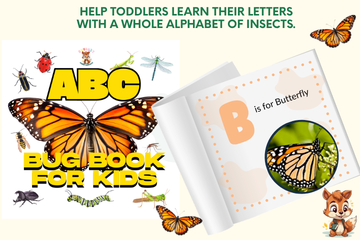
- Read alphabet books together.
- Point out letters on signs and packages.
- Practice matching uppercase and lowercase letters.
- Use alphabet activity books or printable activities.
- Ask your child to find specific letters.
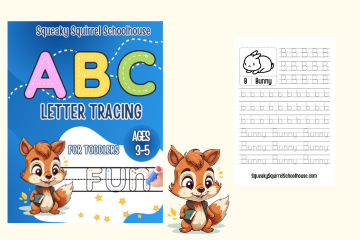
Keep practice short and fun. Even five minutes a day can provide valuable exposure.
Know Some Letter Sounds
Knowing what letters look like is important, but connecting letters to their sounds is another important step toward reading.
For example, your child may know that B is the letter B and that it makes the /b/ sound.
You can practice letter sounds during everyday activities.
Try saying:
“B says /b/. What starts with /b/?”
Then look around the room for things such as a ball, book, or basket.
These simple games help children begin developing phonemic awareness and phonics skills.
Recognize Numbers and Count
Your child should have some familiarity with numbers before kindergarten.
Practice:
- Recognizing numbers
- Counting objects
- Saying numbers in order
- Identifying which group has more or fewer objects
- Counting to 10, 20, or beyond
- Recognizing basic shapes
You don’t need formal math lessons to practice these skills.
Count steps as you walk, count toys as you clean up, or count snacks before eating them.
Everyday activities can become opportunities for kindergarten math practice.
Know Their Name
Being able to recognize and attempt to write their own name is an excellent kindergarten readiness skill.
Start by helping your child recognize their name in print.
Then gradually practice writing it.
You can begin with:
- Tracing their name.
- Copying their name.
- Writing their name with help.
- Eventually writing it independently.
Don’t worry if their handwriting isn’t perfect. At this age, the goal is familiarity and confidence.
Follow Simple Directions
Kindergarten classrooms involve lots of directions.
Children may be asked to:
- Put their backpack away.
- Sit on the carpet.
- Get a pencil.
- Clean up their table.
- Line up.
- Put their paper in a folder.
Practicing following directions before kindergarten can help your child feel more comfortable in a structured classroom.
Start with one-step directions:
“Please put your shoes by the door.”
Once your child is comfortable with those, try two-step directions:
“Put your shoes away and then bring me your book.”
Make it feel like a game rather than a test.

Use Scissors, Pencils, and Other School Supplies
Fine motor skills are an important part of kindergarten readiness.
Your child should have opportunities to practice using:
These activities strengthen the small muscles in the hands and fingers that children use for writing and other classroom activities.
Don’t worry about perfect coloring or cutting.
The goal is to build fine motor skills for kindergarten through regular practice.
Know Basic Shapes and Colors
Your child should have some familiarity with common shapes and colors.
Practice identifying:
Colors
- Red
- Blue
- Yellow
- Green
- Orange
- Purple
- Black
- White
Shapes
- Circle
- Square
- Triangle
- Rectangle
- Oval
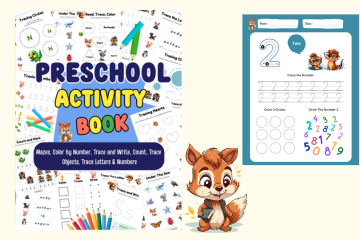
Look for shapes and colors during everyday activities.
You can ask:
“Can you find something that is a circle?”
or
“What color is your shirt?”
These simple questions turn everyday moments into learning opportunities.
Communicate Their Needs
One of the most important kindergarten readiness skills isn’t academic at all.
Your child needs to be able to communicate basic needs to an adult.
For example:
- “I need help.”
- “I need to use the bathroom.”
- “I’m thirsty.”
- “I don’t understand.”
- “I don’t feel well.”
- “Can you help me?”
Encourage your child to use words to explain what they need instead of relying on you to speak for them.
This can help build independence and confidence in kindergarten.
Take Turns and Share
Social skills can be just as important as academic skills when preparing for kindergarten.
Your child will likely spend much of the day around other children, so practice:
- Taking turns
- Sharing materials
- Listening to others
- Waiting patiently
- Asking politely
- Joining a group activity
- Handling small disagreements
You can practice these skills during board games, playdates, family activities, and pretend classroom games.
Remember that children are still learning how to manage emotions and interact with others. Kindergarten is also a place where these skills continue to develop.
Develop Basic Independence Skills
Perhaps one of the most helpful things you can teach before kindergarten is independence.
Your child may need to:
- Put on and take off their coat.
- Manage their backpack.
- Open lunch containers.
- Put away supplies.
- Wash their hands.
- Use the bathroom independently.
- Put on shoes.
- Clean up after an activity.
Practice these skills at home without rushing to do everything for your child.
It may take longer at first, but every successful attempt builds confidence.
Try saying:
“You try first, and I’ll help if you need me.”
That simple phrase can encourage independence while letting your child know you’re there to support them.
Kindergarten Readiness Isn't About Being Perfect
It’s easy for parents to compare their child to other children and wonder if they are behind.
Try not to fall into that trap.
Kindergarten readiness looks different for every child.
Some children enter kindergarten already reading simple words. Others are still learning letter names. Some children are confident socially, while others need more time to become comfortable in groups.
Your goal isn’t to make your child “perfectly ready.”
Your goal is to give your child opportunities to practice the foundational skills they will use at school.
How to Prepare Your Child for Kindergarten at Home
You don’t need expensive curriculum or hours of worksheets to prepare your child for kindergarten.
Try creating a simple 10–15 minute kindergarten readiness routine.
For example:
Monday: Letters and letter sounds
Tuesday: Numbers and counting
Wednesday: Fine motor activities
Thursday: Name writing and handwriting
Friday: Sight words and early reading
Then spend the rest of the day learning naturally through reading, playing, talking, exploring, and everyday activities.
Make Kindergarten Preparation Fun
Children learn best when they are interested and engaged.
Instead of turning kindergarten preparation into a daily test, try learning through games.
You can:
- Hunt for letters around the house.
- Count toys.
- Practice writing letters in sand.
- Use play dough to make shapes.
- Read stories together.
- Play rhyming games.
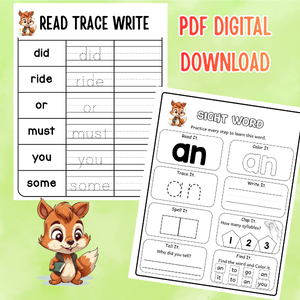
- Practice sight words with flashcards.
- Create a pretend classroom.
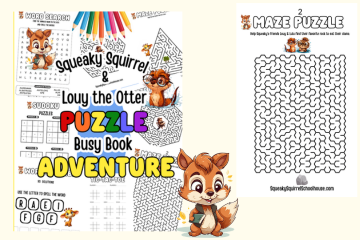
- Use printable worksheets for short activities.
A few minutes of enjoyable practice is often more effective than forcing a child to sit through a long lesson.
Free Kindergarten Readiness Activities
Looking for an easy way to practice these skills at home?
Squeaky Squirrel Schoolhouse was created to make early learning simple, engaging, and fun for children and their parents.
Our printable learning activities can help families practice important skills such as:
If you’re looking for a simple place to begin, check out the Free 7-Day School Readiness Challenge from Squeaky Squirrel Schoolhouse.
It’s a fun way to introduce short learning activities into your child’s routine without overwhelming them.
What About Sight Words Before Kindergarten?
Sight words are another area parents often ask about when preparing their children for kindergarten.
Some children begin learning common sight words before kindergarten, while others learn them during kindergarten.
Rather than worrying about a specific number of words, focus on helping your child recognize and read a small group of common words consistently.
Words such as:
I, a, the, is, see, my, we, can, go, and like
can be introduced through books, games, flashcards, and simple printable activities.
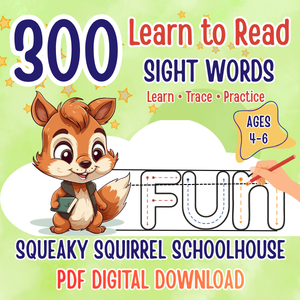
For families who want extra practice, the 300 Learn to Read Sight Words resources from Squeaky Squirrel Schoolhouse can provide additional opportunities to practice early reading skills.
Kindergarten Readiness Checklist
Here’s a simple checklist you can use to see which skills your child has already practiced:
☐ Recognizes some uppercase letters
☐ Recognizes some lowercase letters
☐ Knows some letter sounds
☐ Counts objects
☐ Recognizes basic numbers
☐ Knows basic colors
☐ Knows basic shapes
☐ Recognizes their name
☐ Attempts to write their name
☐ Uses crayons and pencils
☐ Uses child-safe scissors
☐ Follows simple directions
☐ Communicates basic needs
☐ Takes turns
☐ Shares with others
☐ Cleans up after activities
☐ Uses the bathroom independently
☐ Manages some personal belongings
If your child can’t check every box, don’t panic.
Use this list as a guide for practice—not a test your child has to pass.
Final Thoughts: Helping Your Child Feel Ready for Kindergarten
Preparing your child for kindergarten is about much more than teaching ABCs and 123s.
Children also need opportunities to develop independence, communication, social skills, fine motor skills, and confidence.
The best kindergarten preparation can happen through everyday moments: reading a bedtime story, counting toys, practicing their name, playing a game, or helping clean up.
Keep learning positive, celebrate small successes, and remember that your child will continue learning once kindergarten begins.
You don’t have to teach everything before the first day.
You simply want to give your child a strong foundation and the confidence to say:
“I can do this!”
Ready to Make Kindergarten Preparation Easier?
Explore the free and affordable learning resources from Squeaky Squirrel Schoolhouse to make early learning fun at home.
Start with the Free 7-Day School Readiness Challenge, explore our preschool and kindergarten printables, or introduce your child to early reading with our sight words resources.
Your child’s learning adventure starts with one small step—and you can make that step fun.
