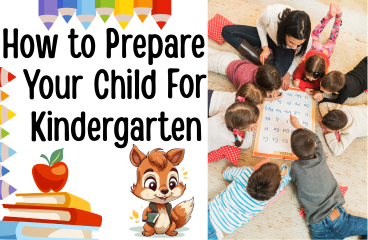
A Complete School Readiness Guide for Parents
Starting kindergarten is one of the most exciting milestones in a child’s life. It marks the beginning of a lifelong learning journey filled with new friendships, exciting discoveries, and growing independence. While every child develops at their own pace, building essential school readiness skills before the first day of school helps children feel confident, capable, and eager to learn.
Preparing your child for kindergarten does not require expensive programs or complicated lesson plans. Everyday learning experiences, hands-on activities, and playful routines can help children develop the academic, social, emotional, and physical skills needed for success.
- This blog post covers everything parents need to know about preparing a child for kindergarten through fun, engaging activities that build confidence and create a love of learning.
Disclosure: This post may contain affiliate links or paid partnerships. I may earn compensation if you click a link or make a purchase, at no additional cost to you. See Disclosure.
What Is Kindergarten Readiness?
Kindergarten readiness means a child has developed the foundational skills necessary to participate successfully in a classroom environment. It includes much more than knowing letters and numbers. Children also benefit from learning how to follow directions, communicate with others, solve simple problems, and complete tasks independently.
School readiness includes developing:
- Letter Recognition
- Counting and Early Math Skills
- Fine Motor Skills
- Listening and Following Directions
- Social Skills
- Emotional Readiness
- Independence
- Language Development
- Self-Care Skills
Building these skills gradually through everyday play creates positive learning experiences that last a lifetime.
Why Early Learning Matters
Children learn best through exploration, repetition, conversation, and play. Short daily learning sessions are often far more effective than long lessons.
Just 15–20 minutes each day spent reading, writing, counting, drawing, singing, and playing educational games can dramatically improve kindergarten readiness.
Consistency is far more important than perfection.
Letter Recognition Activities for Kindergarten Readiness
Recognizing uppercase and lowercase letters forms the foundation for future reading success.
Children do not need to memorize the alphabet in order immediately. Instead, they should become familiar with letters through repeated exposure and fun activities.
Simple Letter Recognition Activities
Alphabet Hunt
Hide foam or magnetic letters around the house.
Ask your child to find specific letters.
Example:
- Find the letter A.
- Find the first letter of your name.
- Find the letter that makes the “B” sound.
Alphabet Books
Read alphabet books every day.
Point to each letter while saying its name and sound.
Encourage your child to repeat after you.
Letter Matching Games
Use printable alphabet cards.
Match:
- Uppercase to lowercase
- Letter to picture
- Letter to beginning sound
Write Letters in Fun Ways
Children enjoy writing letters using:
These activities strengthen both recognition and handwriting skills.
Counting Activities That Build Early Math Skills
Children entering kindergarten should feel comfortable counting objects and recognizing basic numbers.
Focus on understanding quantities rather than memorizing numbers.
Easy Counting Games
Count Everything
Count:
- Toys
- Blocks
- Crackers
- Steps
- Cars
- Flowers
Everyday objects become valuable math lessons. View our Educational Headstart book…
Number Hunt
Write numbers around the room.
Ask your child to find:
- Number 3
- Number 7
- Number 10
Snack Time Math
Ask questions like:
- How many grapes do you have?
- Can you give me five crackers?
- Which plate has more?
Children naturally learn comparing and counting skills.
Building Blocks
Stack building blocks while counting aloud.
Count forwards and backwards.
Discuss concepts such as:
- More
- Less
- Bigger
- Smaller
Fine Motor Skills Every Child Should Practice
Strong fine motor skills prepare children for writing, cutting, coloring, and classroom activities.
These muscles develop gradually through play.
Play Doh Creations
Roll snakes.
Pinch balls.
Cut shapes.
Flatten circles.
Play doh strengthens finger muscles needed for pencil control.
Scissor Practice
Begin with:
- Cutting straight lines
- Cutting zigzags
- Cutting circles
- Cutting simple shapes
Always supervise children using safety scissors.
Coloring Activities
Offer:
Coloring improves hand-eye coordination and pencil grip. View Squeaky Squirrel Schoolhouse Coloring Book Collection.
Beading
Listening Skills That Prepare Children for the Classroom
Teachers give directions throughout the day.
Children who practice listening carefully often transition into kindergarten more smoothly.
Simon Says
Children listen carefully before moving.
This teaches:
- Self-control
- Attention
- Following directions
Story Time
Read books daily.
After reading ask:
- What happened first?
- Who was your favorite character?
- What happened at the end?
This improves listening comprehension. Read Squeaky Squirrel and the Great Otter Adventure.
Multiple Step Directions
Practice simple instructions:
“Please pick up your shoes, put them by the door, and wash your hands.”
Gradually increase complexity.
Music and Movement
Songs with actions help children listen and respond.
Examples include:
- Head, Shoulders, Knees and Toes
- If You’re Happy and You Know It
Building Strong Social Skills Before Kindergarten
Kindergarten introduces children to group learning, sharing, and teamwork.
Social development plays a major role in classroom success.
Practice Sharing
Play games that require taking turns.
Praise patience and kindness.
Encourage Conversations
Ask open-ended questions.
Teach children to:
- Make eye contact
- Listen while others speak
- Answer politely
Role Play
Pretend to:
- Meet a teacher
- Introduce yourself
- Ask for help
- Join a game
Role-playing reduces first-day anxiety.
Play Dates
Regular interaction with other children builds confidence in group settings.
Children practice:
- Cooperation
- Problem solving
- Communication
- Friendship
Developing Independence Before School Starts
Independent children often feel more confident entering kindergarten.
Small daily responsibilities encourage responsibility and self-confidence.
Independent Skills to Practice
Children should gradually learn to:
- Put on shoes
- Zip jackets
- Wash hands
- Use the bathroom independently
- Open lunch containers
- Put away toys
- Carry a backpack
- Clean up after activities
Celebrate progress rather than expecting perfection.
Language Development Activities
Strong communication skills support reading, writing, and social development.
Children learn language naturally through conversation.
Everyday Language Builders
Read Together Daily
Reading exposes children to:
- New vocabulary
- Sentence structure
- Storytelling
- Listening skills
Aim for at least 20 minutes every day.
Describe Everyday Activities
Talk while cooking.
Describe grocery shopping.
Discuss nature walks.
Children absorb thousands of new words through conversation.
Ask Questions
Instead of yes-or-no questions, ask:
“What do you think will happen next?”
“Why do you think that happened?”
This encourages critical thinking.
Create a Daily Learning Routine
Children thrive with predictable routines.
A simple daily schedule helps build healthy habits.
Example:
- Morning reading
- Alphabet activity
- Outdoor play
- Snack
- Counting game
- Craft
- Story time
- Quiet reading before bed
Short learning sessions keep children engaged.
Build Emotional Readiness for Kindergarten
Academic skills matter, but emotional confidence is equally important.
Children benefit from learning how to:
Â
- Express feeling
- Handle disappointment
- Solve simple conflicts
- Ask adults for help
- Stay calm during transitions
- Â
School Readiness Through Everyday Life
Many kindergarten skills develop naturally during daily routines.
Cooking teaches measuring.
Shopping teaches counting.
Gardening teaches science.
Cleaning teaches responsibility.
Board games teach taking turns.
Reading teaches language.
Everyday experiences become meaningful learning opportunities.
Signs Your Child Is Ready for Kindergarten
Many children entering kindergarten can:
- Recognize several letters
- Count to at least 10 or beyond
- Hold a crayon correctly
- Follow two- or three-step directions
- Listen to short stories
- Play with other children
- Take turns
- Use the bathroom independently
- Wash hands without reminders
- Express basic needs clearly
- Sit for short learning activities
- Separate comfortably from caregivers
Every child develops differently, and progress should always be celebrated.
Tips for a Smooth First Day of Kindergarten
Help your child feel excited about starting school by:
- Visiting the school before the first day
- Reading books about kindergarten
- Practicing the morning routine
- Labeling backpacks and supplies
- Talking positively about school
- Meeting the teacher if possible
- Encouraging questions about school
- Getting plenty of sleep before the first day
A calm and positive attitude helps children feel safe and excited.
Final Thoughts: Preparing Your Child for Kindergarten with Confidence
Preparing your child for kindergarten is about nurturing curiosity, confidence, and a love of learning through meaningful everyday experiences.Â
By practicing letter recognition, counting, fine motor skills, listening skills, social skills, and independence, we help children build a strong foundation for lifelong success.
The most valuable lessons often happen through play, conversation, reading together, and encouraging children to explore the world around them. Small, consistent learning moments each day can make a lasting impact, helping children walk into their kindergarten classroom feeling prepared, capable, and excited for the adventures ahead.
Frequently Asked Questions
Most children benefit from recognizing some letters, counting to at least 10, following simple directions, using the bathroom independently, communicating their needs, and participating in basic social interactions.
A consistent 15–20 minutes of focused learning combined with reading, outdoor play, and everyday conversations is often enough to build essential kindergarten readiness skills.
Children learn letters best through hands-on activities such as alphabet games, books, songs, magnetic letters, tracing, and playful repetition rather than memorization alone.
Activities like coloring, cutting with child-safe scissors, tracing, stringing beads, using play doh, and building with blocks help strengthen the small muscles needed for writing.
Encourage children to practice dressing themselves, washing hands, cleaning up toys, opening lunch containers, putting on shoes, and completing simple daily routines with minimal assistance.
Get Started
Squeaky Squirrel Schoolhouse
Ready to help your child build confidence before the first day of school? Explore the fun, printable learning resources, homeschool activities, preschool worksheets, kindergarten readiness packs, and educational games available at Squeaky Squirrel Schoolhouse to make learning enjoyable every day.